Are you prepared this Bushfire Season?
Posted by Lachlan McIntosh on
What the Data Shows: Queensland’s Fire Risk Is Increasing
According to Queensland’s “Fire Weather & Associated Bushfire Hazard” indicator:
- Average maximum temperatures have increased across Queensland between 1950–2018.
- The number of very high fire-danger days is rising due to hotter, drier weather patterns.
- Regions that traditionally experienced fire danger from July to October are now experiencing hazardous conditions into December, January and even February.
- More severe storms, dry wind increase fire danger.
Source: Queensland Government — State of the Environment, Fire Weather Indicators.
Current forecasts reinforce the trend: a longer, hotter bushfire-risk period is expected, extending well into early 2026.
That means now is the time to prepare, not later.
10 Technical Steps to Ensure Your Property Is Bushfire-Ready
These recommendations align with Queensland Fire Department guidelines and reflect real-world operational experience from rural fire management.
1. Establish a Defensible Space
A clear, maintained area around buildings reduces radiant heat and slows fire spread. Remove:
- Leaf litter
- Dead shrubs
- Overhanging branches
- Accumulated fuel close to structures
2. Maintain Rooflines, Gutters and Ember-Vulnerable Areas
Ember attack is one of the leading causes of structure loss in Queensland bushfires.
Keep gutters clean and fit ember guards or mesh where practical.
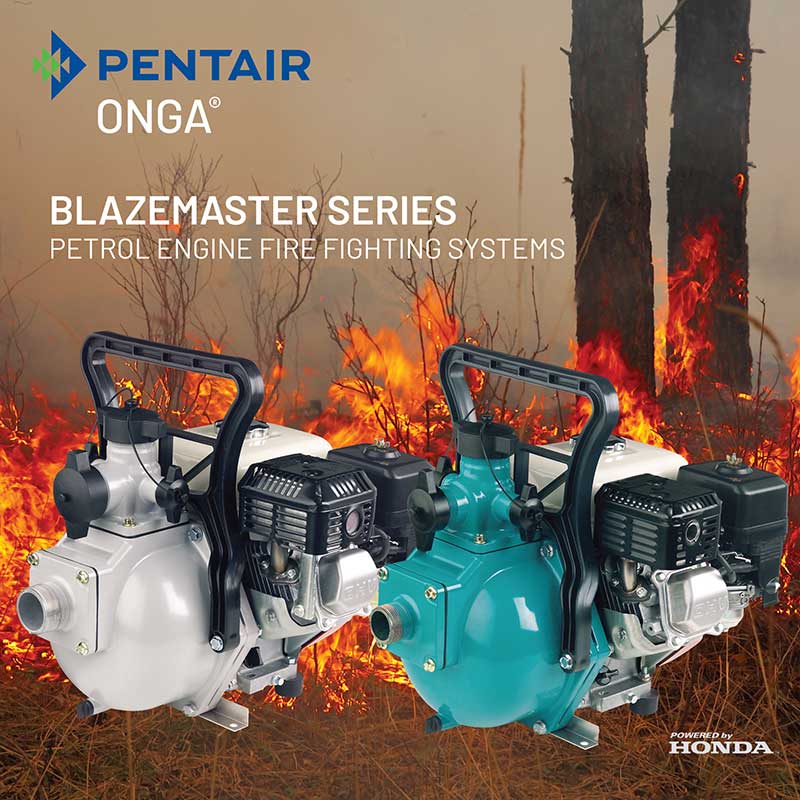
3. Ensure You Have a Firefighter Pump — and a Backup
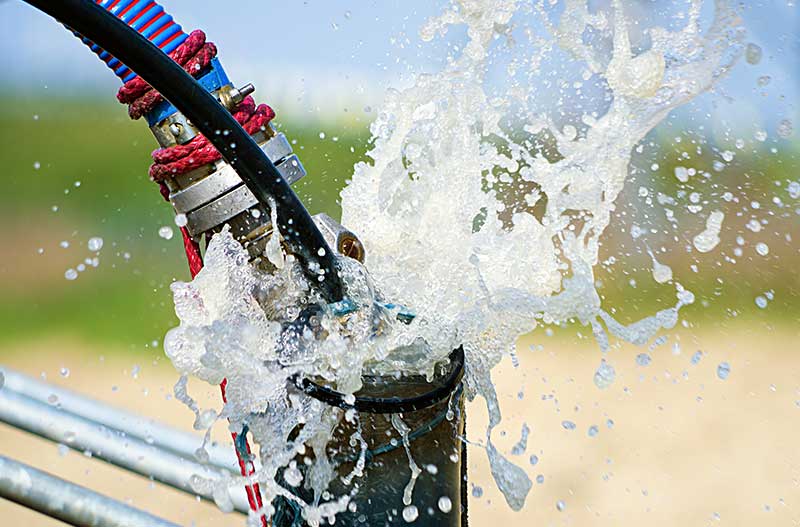
A high-pressure firefighter pump provides critical water movement during suppression efforts. Ideally, your system should include:
- High-flow capability
- High-pressure output
- Heat-resistant fittings
- A secondary backup pump for system redundancy
Rapid, reliable water delivery is essential when fire approaches.
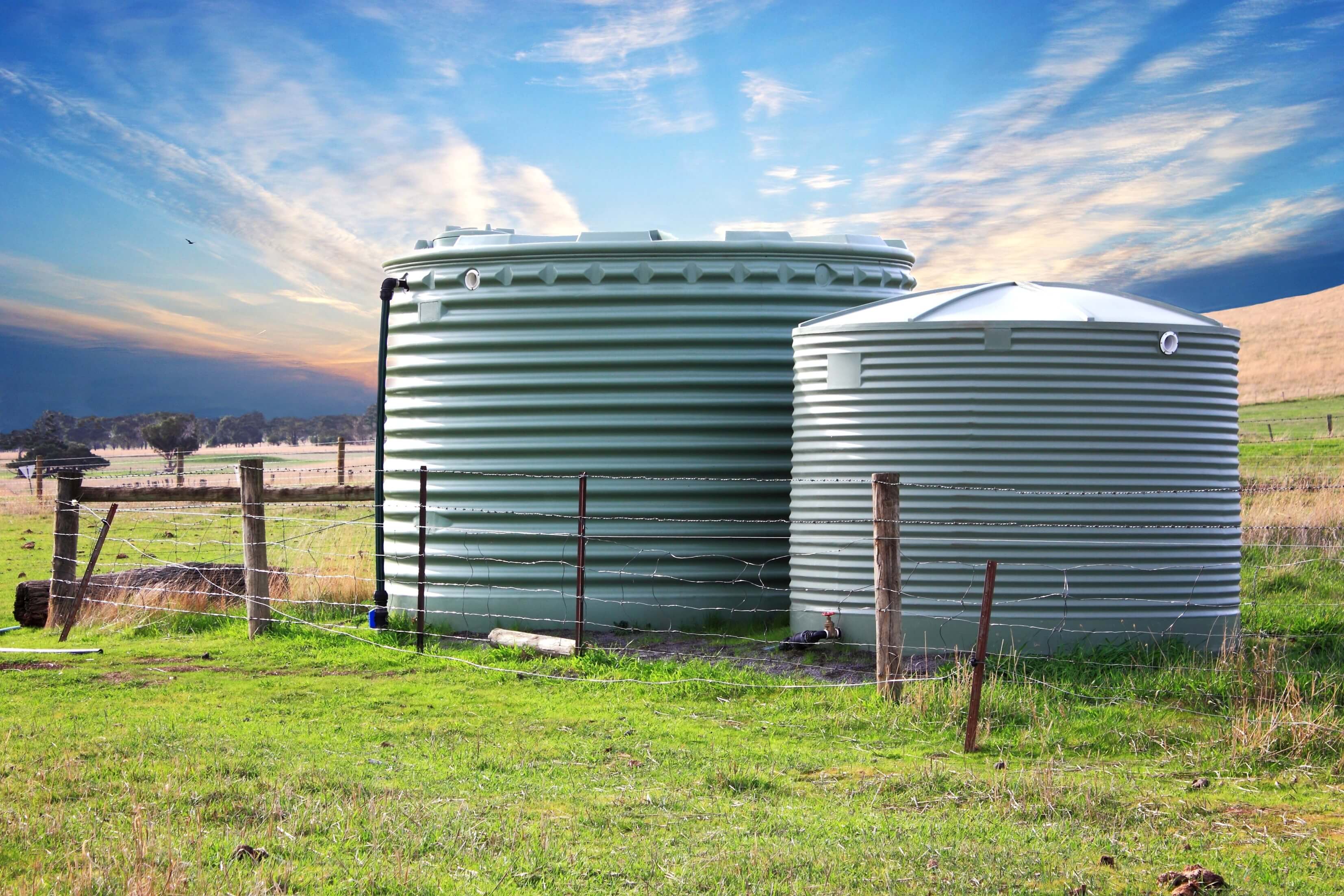
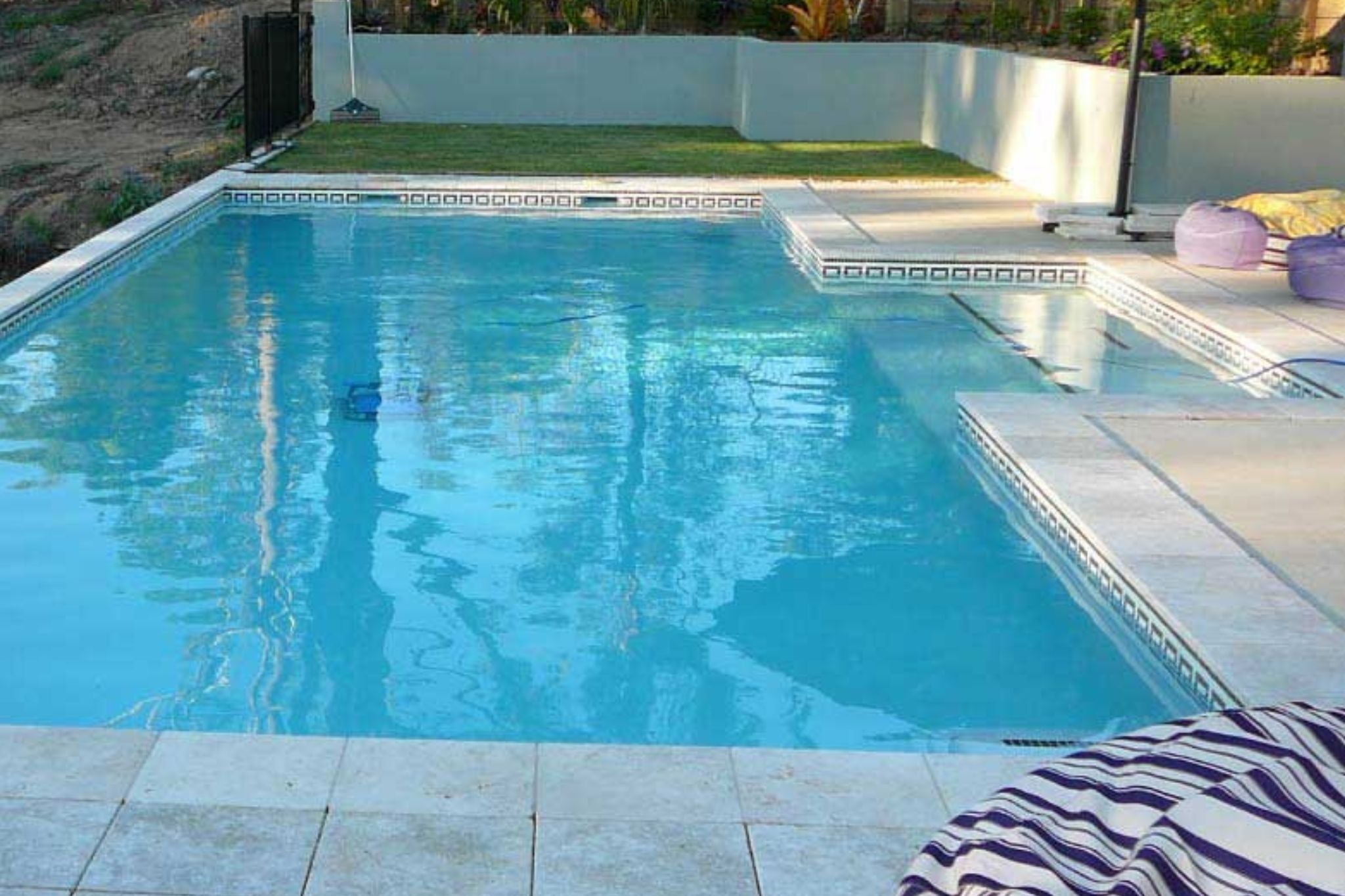
4. Confirm Water Supply Accessibility
Having tanks, dams or pools is only part of the solution. Ensure:
- Pumps can draw water efficiently
- Suction points and valves are clear
- Hose lengths reach all vulnerable structures
- All components are in working order
5. Use Approved, Fire-Rated Hoses
Ordinary garden hoses often fail under heat or pressure. Fire-rated hoses provide:
- Higher temperature tolerance
- Superior pressure capability
- Durability under rapid deployment conditions
6. Manage Vegetation and Fuel Loads
Overgrown trees, tall grass, vines and unmanaged vegetation significantly increase fire intensity.
Fuel reduction is a high-impact, cost-effective mitigation strategy.
7. Seal Structures Against Ember Intrusion
Focus on areas where embers can accumulate or enter:
- Vents
- Eaves
- Roof gaps
- Under-deck areas
- Timber piles
Most houses lost in bushfires ignite from embers, not direct flame contact.
8. Create and Practise a Bushfire Action Plan
Your plan should outline:
- Responsibilities for each household member
- Evacuation routes
- Procedures for activating pumps
- Locations of tools and emergency gear
- Animal and livestock arrangements
Clear planning reduces confusion during high-stress situations.
9. Keep Tools and Emergency Gear Accessible
Maintain:
- Rakes
- Shovels
- Gloves and masks
- Torches
- Spare fuel
- Buckets
- Protective clothing
These items support suppression, safety and rapid response.
10. Test Your Water Movement System
Test your pumps and hoses under realistic conditions. Your system should:
- Start quickly
- Maintain consistent pressure
- Deliver water across the entire property
- Integrate a backup pump seamlessly in the event of failure
Climate Change Means Longer Fire Seasons — And Less Margin for Error
The historical fire season cycle no longer applies.
Fire weather patterns are now emerging earlier, lasting longer and intensifying.
Key changes supported by Queensland Government data:
- Higher seasonal temperatures
- Increased number of high fire-danger days
- Longer periods of vegetation dryness
- Fire seasons extending beyond traditional months into summer and early autumn
With fire danger now likely to continue through February, proactive preparation is essential.
Long Grass and Council Areas
If your property borders council-managed land, easements or road frontages with long grass or unmanaged vegetation, contact council immediately.
These areas can significantly accelerate fire spread.
Learn More From Trusted Authorities
Queensland Fire Department — Prepare for Bushfires:
https://www.fire.qld.gov.au/prepare/bushfires
Bushfire Maps & Hazard Data (QLD Government):
https://www.data.qld.gov.au Queensland Government Bushfire Information Hub:
https://www.qld.gov.au/emergency/disasters-and-alerts/bushfires
These sources provide real-time fire updates, hazard maps and official guidelines.
Final Technical Note
Bushfire preparedness is a system: defensible space, reliable pumps, accessible water, vegetation management and a clear action plan.
With a hotter and longer fire period forecast, Sunshine Coast residents should prepare early and thoroughly to protect their homes, families and communities.